i
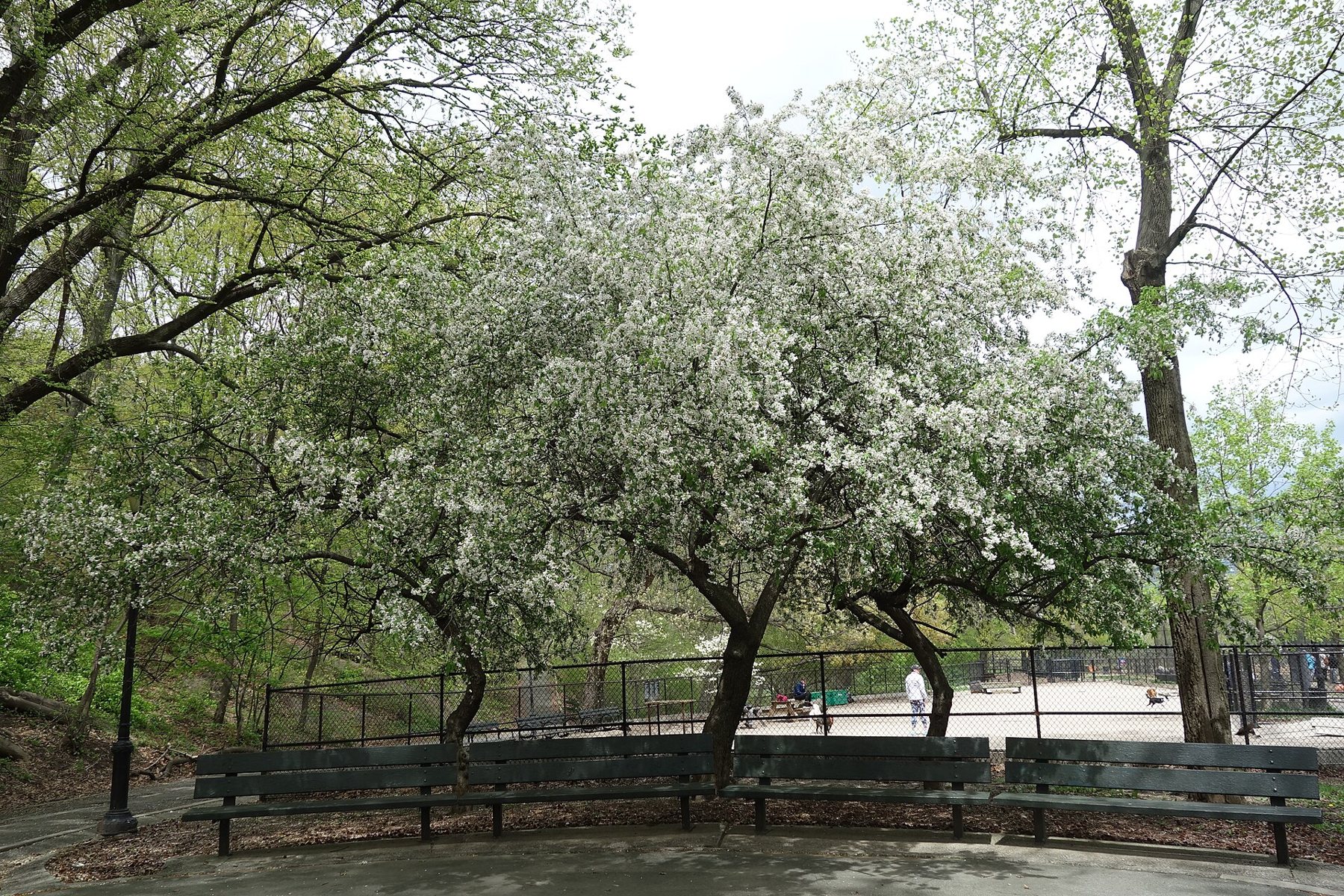
Manhattan · Inwood
Spring warblers from the A train
- Range
- Inwood
- Habitat
- Old hardwood forest
- Rocky ridges
- Salt marsh cove
- Field marks
- Tall tulip trees and oaks on steep ridges, rock outcrops and shelters, glimpses of the Hudson and Palisades, and birdsong in the canopy at dawn.
- Best season
- Late April through May
- Transit
- A train to Inwood-207 St, then walk
- From Midtown
- A train to Inwood-207 St
- Pack
- Binoculars, field guide, water, good shoes
Ride the A train to the end of the line, walk a few blocks west, and you are at the foot of a forest. Inwood Hill Park covers the northern tip of Manhattan with steep wooded ridges, rock outcrops and a salt marsh cove. Its trees are some of the oldest on the island, and in spring they catch a stream of songbirds heading north along the Hudson. For a few weeks every year, this is one of the best places in the city to watch warblers.
A forest on the island's last ridge
Inwood Hill is a ridge of hard rock that rises above the Hudson on the west and drops to the cove and the Harlem River on the east. Much of it was never built on, and the forest that covers it, mostly oaks, tulip trees and other hardwoods, is the largest remaining natural woodland in Manhattan. Some of the tulip trees are very old and very tall, with straight gray trunks that rise far above the paths.
The park is shaped by glaciers and erosion. Deep cuts between the ridges, boulders scattered on the slopes, and rock overhangs along the eastern side tell of a long geological past. Some of these overhangs, known as rock shelters, were used by Native people long before the arrival of Europeans, and the area has long been studied for traces of their presence.
Warbler weeks, late April to the end of May
Spring songbird migration in New York runs from about mid-April to early June, but the heart of it, for warblers, is late April through May. Birds that wintered in the southern United States, the Caribbean or Central and South America fly north at night and drop into green places at dawn to rest and feed. Inwood Hill Park, with its forest on a narrow island between two rivers, is one such place.
The first wave brings early species. Yellow-rumped warblers and palm warblers often arrive in the second half of April, along with kinglets and other small birds. Then, as the trees come into leaf in May, the variety grows: black-and-white warblers creeping along trunks, northern parulas and black-throated green warblers singing high in the canopy, American redstarts flashing orange and black, magnolia and chestnut-sided warblers, and on good days more.
i
No day is guaranteed. Migration depends on weather and winds, and a morning that is quiet can be followed by one that is full of birds. Mornings after a night of southerly winds in May are often the best. To see how this fits with the rest of the year, read the birding year, month by month.
How to look at a canopy full of birds
Compare plate VIVan Cortlandt Park: the lake, the swamp and the old aqueductWarbler watching is hard on the neck. The birds are small, quick and often high, and the young leaves of May hide them well. A few habits make it easier:
- Arrive early. The first hours after sunrise are the most active.
- Find the sunny edges. Birds feed where the early sun warms the leaves and wakes the insects.
- Listen first. Many warblers are easier to find by song than by sight.
- Stand still. Let a feeding flock move towards you rather than chasing it.
- Do not play recorded songs to draw birds in. Tired migrants need their energy.
Warblers are not the only reward. In May the same woods may hold wood thrushes and other thrushes feeding on the forest floor, Baltimore orioles whistling from the edges, rose-breasted grosbeaks and scarlet tanagers high in the oaks, and woodpeckers drumming on dead limbs. On the ground, look for spring wildflowers on the slopes before the canopy closes, and for chipmunks and squirrels busy among the roots. Raptors pass overhead too: red-tailed hawks are regular, and in spring other hawks follow the line of the Hudson north.
Stay on the paths. The slopes are steep and easily eroded, and wildflowers and young trees grow beside the trails.
The rock by the old tulip tree
Near the cove, on the flat ground at the foot of the hill, a boulder carries a plaque. This is the Shorakkopoch rock. It marks the traditional site where, in 1626, Dutch colonists and the Lenape are said to have made the agreement that the Dutch regarded as the purchase of Manhattan. The spot was once shaded by a huge old tulip tree, long since dead.
The story is told as tradition: the exact place, and what each side understood by the agreement, are not known for certain. It is still worth a pause, a reminder that this ridge and its shelters were part of a Native landscape long before they were part of a city park.
Water on three sides
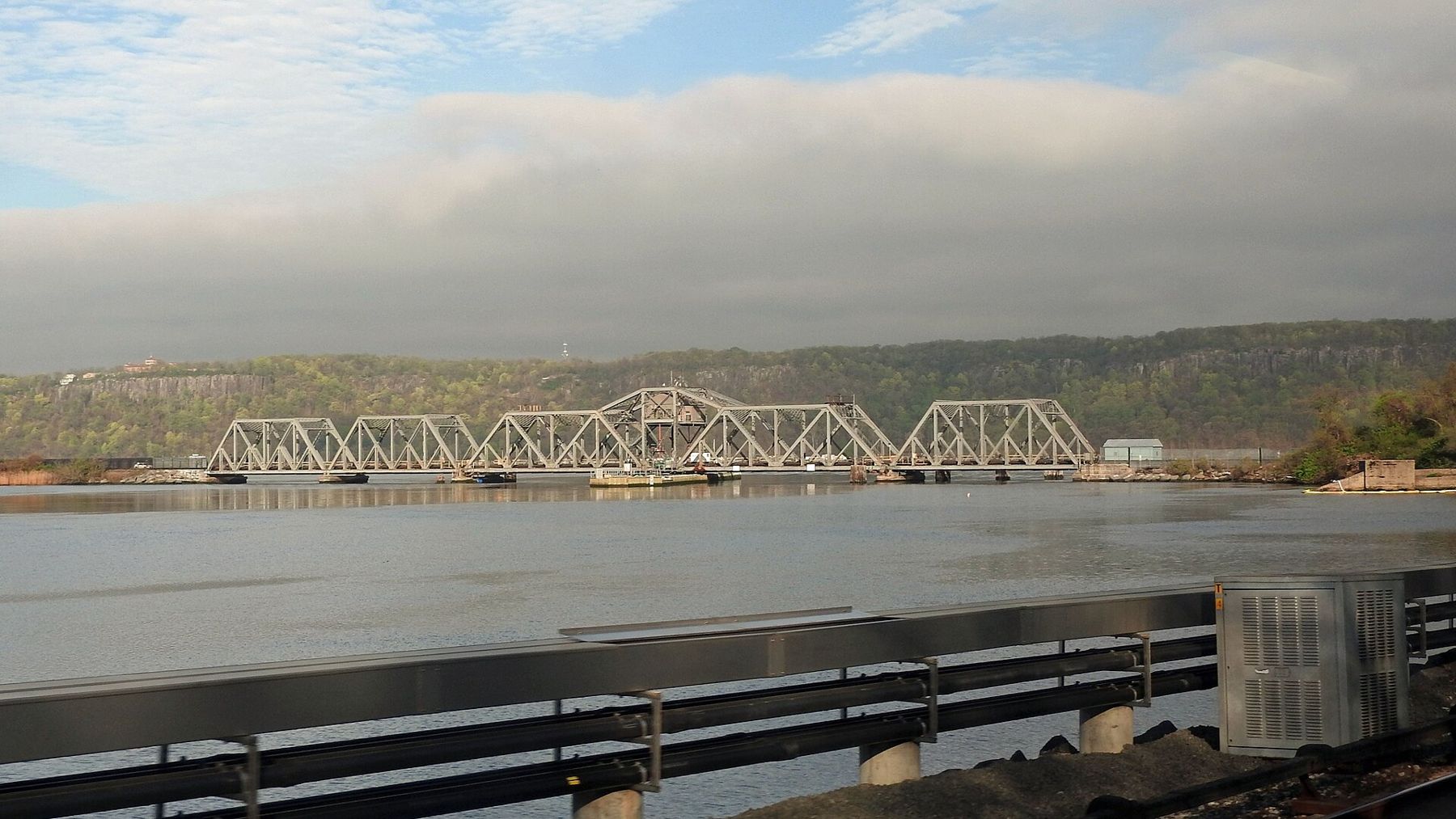
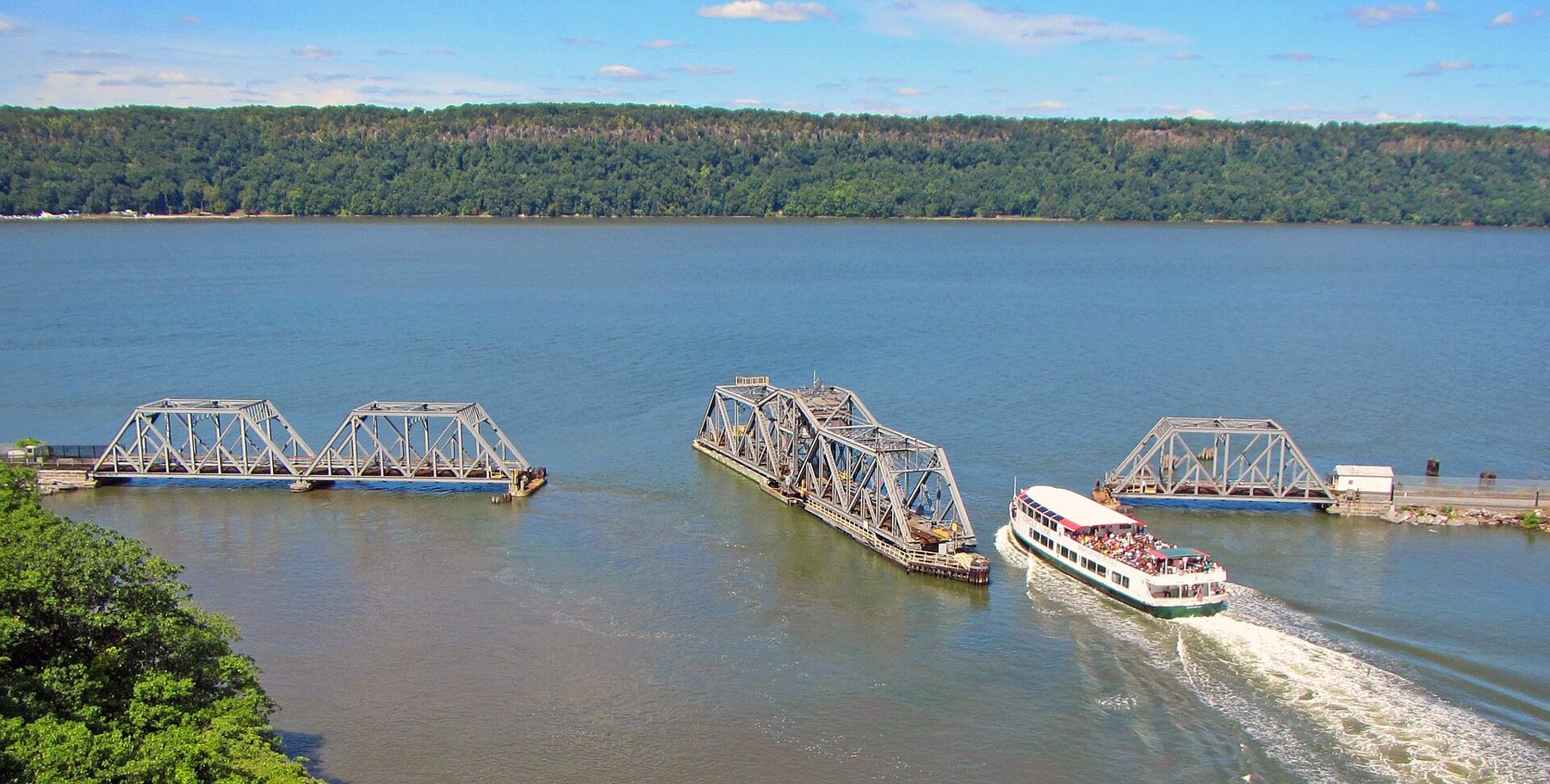
From the western ridge you look across the Hudson to the cliffs of the Palisades. To the north, Spuyten Duyvil Creek separates Manhattan from the Bronx, crossed high above by the Henry Hudson Bridge and down at water level by a railroad swing bridge at the creek's mouth. To the east, the Harlem River Ship Canal, cut in the late nineteenth century, joins the creek to the Harlem River.
i
The water draws birds of its own: gulls, cormorants, and in spring and summer egrets and herons feeding in the salt marsh cove at the north end of the park. The cove is a different habitat from the forest, best visited at low tide, and is described in the cove at low tide.
i

From the platform to the trees
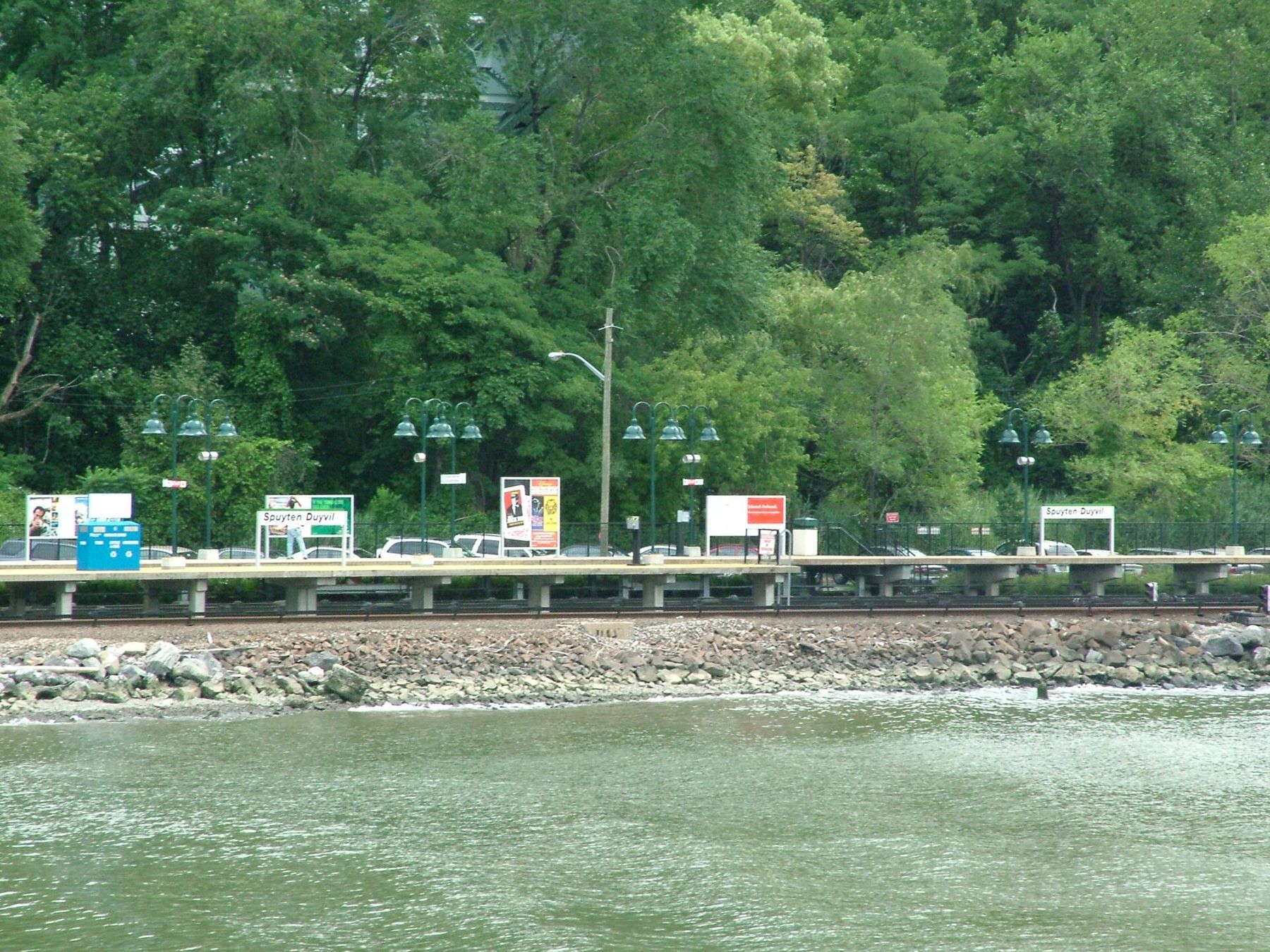
Take the A train to its northern end at Inwood-207 Street. From the station, walk west a few blocks to the park's entrances along Seaman Avenue. The flat ground near the ball fields and the cove is easy walking; the paths up the ridge are steep, sometimes rough and occasionally confusing, so a map helps. The 1 train also stops a short walk east of the park.
A few cautions apply here as in any city woodland:
- Ticks are present in leaf litter and long grass; check yourself afterwards.
- Leaves of three line many trail edges here: poison ivy, best left alone.
- Steep paths can be slippery after rain.
- Trails, rules and opening times for any park facilities change; check before you go.
Mornings after a night of southerly winds in May are often the best.
If you find your way here in early May, at first light, with the tulip trees just coming into leaf and the first black-throated green warbler singing overhead, you will understand why some people come back every spring.