i
Field craft · New York City
The birding year in the five boroughs, month by month
- Range
- New York City
- Habitat
- Salt marsh and bay
- Old-growth forest ridges
- Lakes and ponds
- Rocky shoreline
- Field marks
- Ducks on cold winter water, warblers in May treetops, terns and egrets over summer marsh, shorebirds on August mud, hawks on September winds.
- Best season
- All year; peaks May, September
- Transit
- Subway and buses to most reserves; ferry for Staten Island
- From Midtown
- Subway, bus or ferry, depending on season
- Pack
- Binoculars, field guide, layers, notebook, repellent
New York City lies on the Atlantic Flyway, the broad route that millions of birds follow each year between their breeding grounds in the north and their wintering grounds to the south. The coastline, the harbor, the river valleys and the parks all funnel birds through the five boroughs. The result is a city where the birding never really stops: only the cast changes, month by month.
This guide walks through the year and points to the reserves that suit each season. None of it is a promise. Weather, wind and luck decide what you see on any given day, and some of the best days come when you least expect them.
Winter: ducks on cold water, owls in the pines
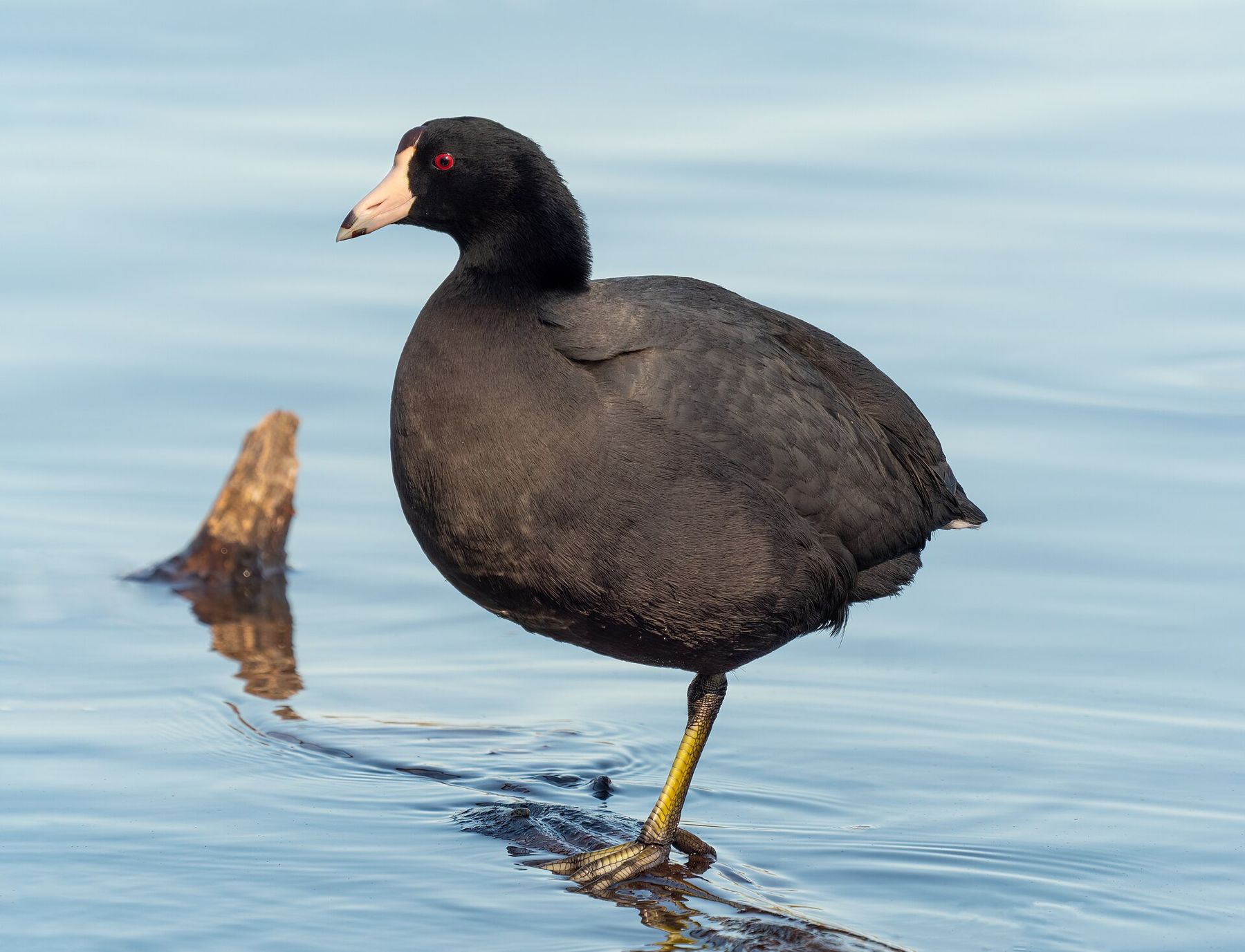
From December through February, the city's open water is the place to be. Bays, inlets and the larger lakes fill with wintering waterfowl: brant, the small dark geese of the coast, grazing on sea lettuce and lawns near the shore; buffleheads, tiny black-and-white diving ducks; greater and lesser scaup in rafts; and, on the more open water of the Sound and the bay, long-tailed ducks and red-breasted mergansers. In the park lakes, American coots paddle among the mallards, nodding their heads as they swim.
i
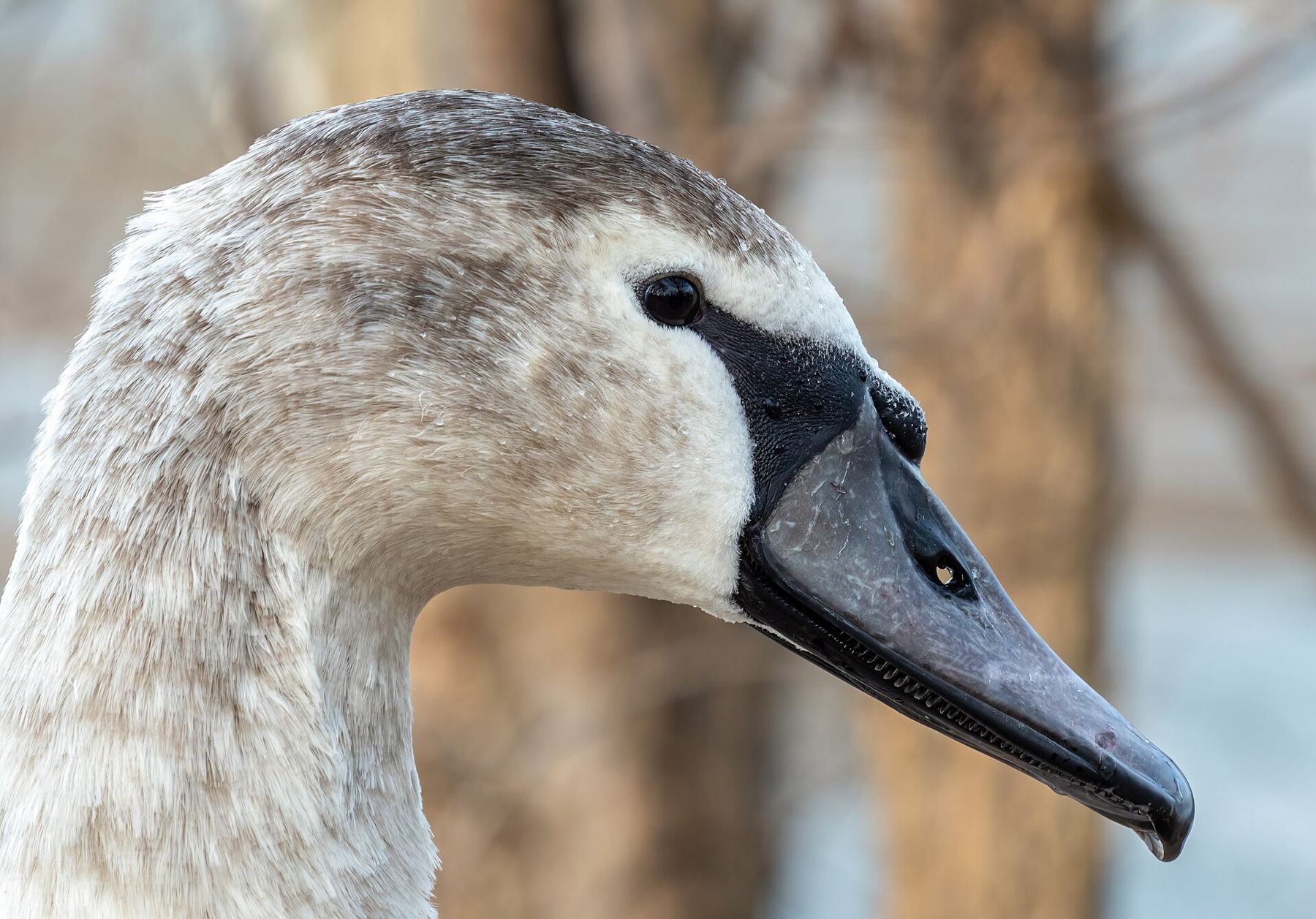
Mute swans live on many city ponds all year. They are not native to North America, but they are a common sight, and the young birds are easy to tell by their gray-brown plumage and dull bills.
Winter is also owl season. A few species roost in conifers and thickets in the larger parks, and the Bronx shoreline is one of the classic places. Owls are easily disturbed, and a roost that draws a crowd may be abandoned. Keep your distance, keep your voice down, never use flash or calls, and do not share the exact location of a roosting owl. The same quiet approach applies to harbor seals on the rocks off Hunter Island in winter.
Spring: the warbler weeks
March brings the first signs: red-winged blackbirds calling from the reeds, woodcocks displaying at dusk over open ground, the first ospreys back over the marshes. April adds phoebes, kinglets and the early warblers, among them pine and palm warblers, and yellow-rumped warblers in growing numbers.
The peak comes from late April through May. On a good morning after a night of south winds, the trees of the city's parks fill with migrant songbirds that have flown through the night and dropped into the first green patches they find. Warblers are the stars, small, fast and often brightly patterned: black-and-white, magnolia, chestnut-sided, Blackburnian, black-throated blue and many more. Thrushes, vireos, orioles and tanagers come with them.
The trick in May is to be out early, because the birds are most active in the first hours of light.
The old forest of Inwood Hill Park in Manhattan and the woods of Prospect Park in Brooklyn are two of the best places, along with Central Park and the larger Bronx and Queens parks. The trick in May is to be out early, because the birds are most active in the first hours of light. Look for movement high in the canopy, then wait for the bird to show itself rather than chasing it.
i
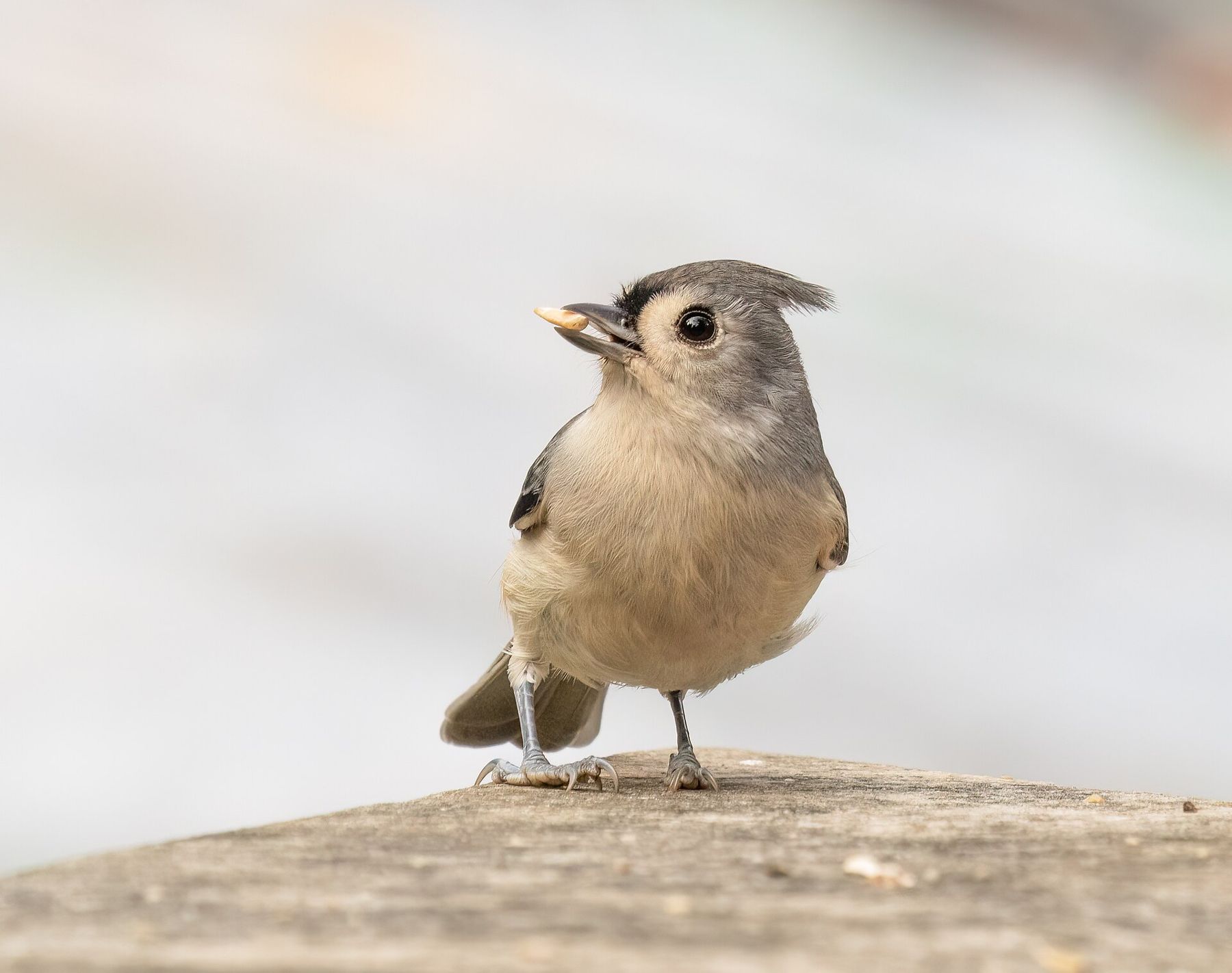
Resident birds add to the chorus at this time of year. Tufted titmice, chickadees, cardinals and woodpeckers are present all year in the larger parks and are often the first birds a new birder learns.
Compare plate IA first walk round West Pond, step by stepSummer: terns, egrets and crabs
By June the migrants have gone north, and the attention shifts to birds that breed here, especially along the coast. Jamaica Bay comes into its own. Common terns dive for small fish over the bay and ponds; great egrets, snowy egrets and glossy ibis feed in the shallows; ospreys raise their young on platforms. A summer walk at the refuge in Queens or along Gerritsen Creek in Brooklyn can bring all of them in an hour.
Summer is also the season for the creatures of the mud. Fiddler crabs come out on the falling tide, and in late May and June horseshoe crabs come ashore on certain beaches to spawn on high tides around the new and full moons. On park lakes, turtles bask on logs on warm days.
i
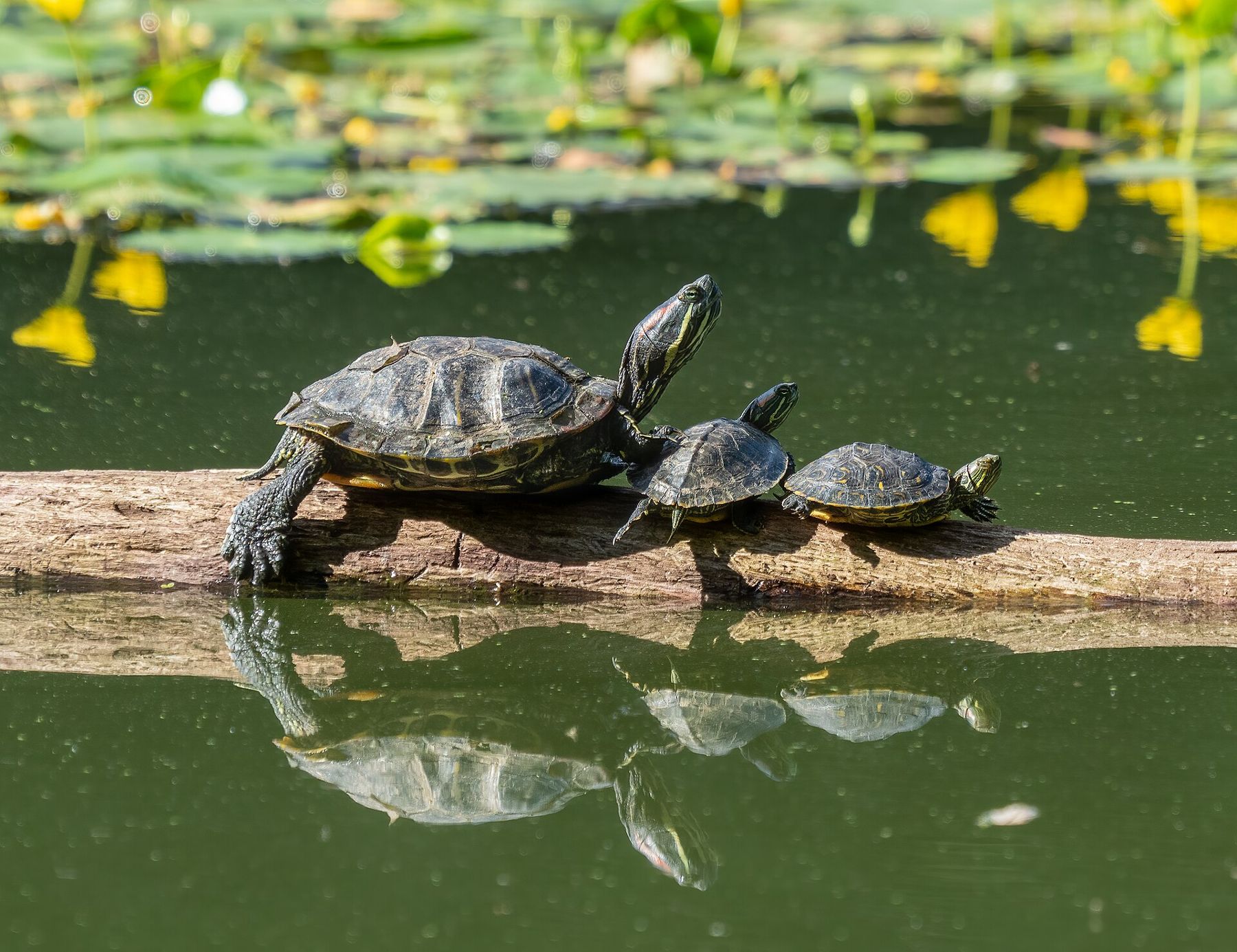
Many of the basking turtles in city lakes are pond sliders, released pets that have spread widely and now outnumber some native species. Watching them is pleasant; releasing more animals into park water is harmful and against park rules.
Fall: shorebirds on the mud, hawks on the wind
Autumn migration starts earlier than most people think. From July and especially in August and September, shorebirds head south from the Arctic and stop on the mud of Jamaica Bay to feed: semipalmated sandpipers and plovers, yellowlegs, dowitchers and short-billed and other less common species. Timing a visit to a falling tide makes a big difference, and the details are in shorebird season on Jamaica Bay.
From September into October, hawks move south along ridges and the coast. Broad-winged hawks can pass in large circling groups on a few days in mid-September; sharp-shinned and Cooper's hawks, kestrels, merlins and peregrine falcons follow through the season. Any high open spot with a long view to the north can work. The same weeks bring a second, more drawn-out wave of songbirds, and in October sparrows and kinglets fill the edges of the parks.
i
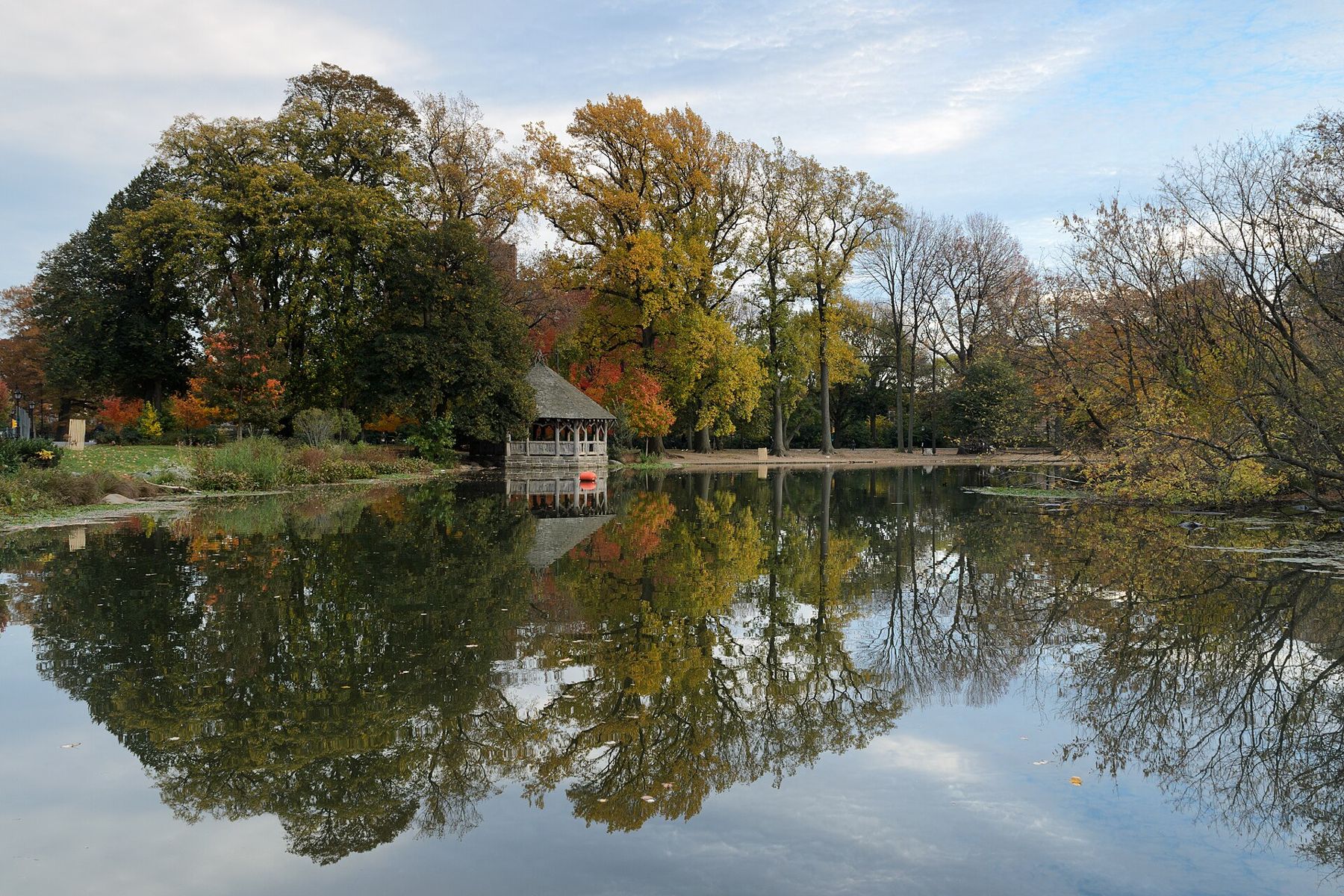
Weather drives the fall flight even more than the spring one. Songbirds and hawks move in numbers after a cold front passes, when clear skies and northwest winds follow a spell of rain. A calm, warm, southerly day in October can be oddly empty, while the morning after a front can fill every thicket. Watching the forecast is as useful as any field guide.
By November the ducks are coming back, the year turns, and the cycle starts again.
Which reserve, which month
| Season | Main attraction | Where to try |
|---|---|---|
| December to February | Ducks, brant, owls, seals | Pelham Bay Park, Jamaica Bay, park lakes |
| March to April | Early migrants, returning ospreys | Jamaica Bay, Marine Park, Inwood Hill Park |
| Late April to May | Warblers and songbirds | Inwood Hill Park, Prospect Park, Staten Island Greenbelt |
| June to July | Terns, egrets, crabs | Jamaica Bay, Marine Park |
| August to September | Shorebirds | Jamaica Bay |
| September to October | Hawks, late songbirds | Ridges and open hilltops, the larger parks |
Wherever you go, the routine is the same: check the park's current rules and any closures before you leave, stay on trails, carry repellent and check for ticks from spring to fall, and bring binoculars and a field guide or notes. A simple notebook of what you saw, where and when is the best guide of all after a year or two.