i
Queens · Broad Channel
Shorebird season on Jamaica Bay: what to look for in August
- Range
- Broad Channel
- Habitat
- Exposed pond mud
- Tidal flats
- Salt marsh edge
- Field marks
- Wet mud edges busy with small brown sandpipers, yellowlegs calling, egrets standing by, the smell of the marsh and boots sinking.
- Best season
- Mid-July to September
- Transit
- A train (Rockaway branch) to Broad Channel
- From Midtown
- A train to Broad Channel
- Pack
- Boots, binoculars, scope, repellent, water, field guide
Shorebird migration in New York starts earlier than most people think. By the second half of July, adult sandpipers that nested in the Arctic are already heading south, and through August they are joined by the young of the year. Many of them stop at Jamaica Bay to feed hard for a few days before moving on. For a birder, this is the season when the mud matters more than the trees.
Why the mud fills up in August
Shorebirds feed on small worms, crustaceans and insect larvae living in soft, wet mud and very shallow water. They need that food exposed, or nearly so, and they need it in places where they feel safe from predators and people. Jamaica Bay offers two kinds of feeding ground: the natural tidal flats of the bay, which appear and vanish twice a day, and the managed edges of East Pond inside the refuge.
Migrating birds do not arrive on a timetable. Weather to the north, wind direction and the success of the breeding season all change the numbers, and a busy morning can be followed by a quiet one. What stays true is the pattern: late July through September is the window, with adults earlier and juveniles later.
East Pond and the summer drawdown
East Pond lies across Cross Bay Boulevard from the visitor center at Broad Channel, part of the refuge within Gateway National Recreation Area. In some summers, managers lower its water level to uncover wide margins of mud just as shorebirds come through. When that happens, the pond edges can hold hundreds of feeding birds. When it does not, whether because of rain, repairs or a change in plans, the pond stays deep and the birds go elsewhere.
That is the most important thing to check before you go. Ask at the visitor center, or look for recent reports, whether the pond has been drawn down this year and which of its trails are passable. The paths around East Pond are rougher than the West Pond loop, often muddy and sometimes flooded, and some stretches may be closed outright.
Cross the boulevard with care; it is a fast road with few crossings. If the drawdown is off, the West Pond side and the bay edges described in a first walk round West Pond still give you a fair chance at yellowlegs and smaller sandpipers.
Reading the falling tide
On the open bay, timing is everything. As the tide drops, flats appear along the marsh islands and channel edges, and shorebirds spread out to feed. As it rises, they are pushed into smaller and smaller patches, and finally many fly to roost, sometimes on the pond edges inside the refuge.
Compare plate XIIIOspreys in Brooklyn: where they nestA sensible plan for an August morning is to watch the bay edge on a falling tide, then shift to East Pond as the water comes back in. If the times do not line up with your day, choose the pond; the managed water does not care about the moon. For the basics of spring tides, neap tides and how to read the columns, the guide to reading a tide table covers it in plain words.
Sandpipers, plovers and the rest
Small sandpipers are the hard part. Start with the ones you can separate, and let the others go for now.
- Semipalmated sandpiper. Small, gray-brown above, black legs, short straight bill. Often the most numerous.
- Least sandpiper. Even smaller and browner, with yellowish legs. Tends to feed on drier mud near vegetation.
- Semipalmated plover. A short-billed bird with a single dark breast band, running and stopping rather than probing.
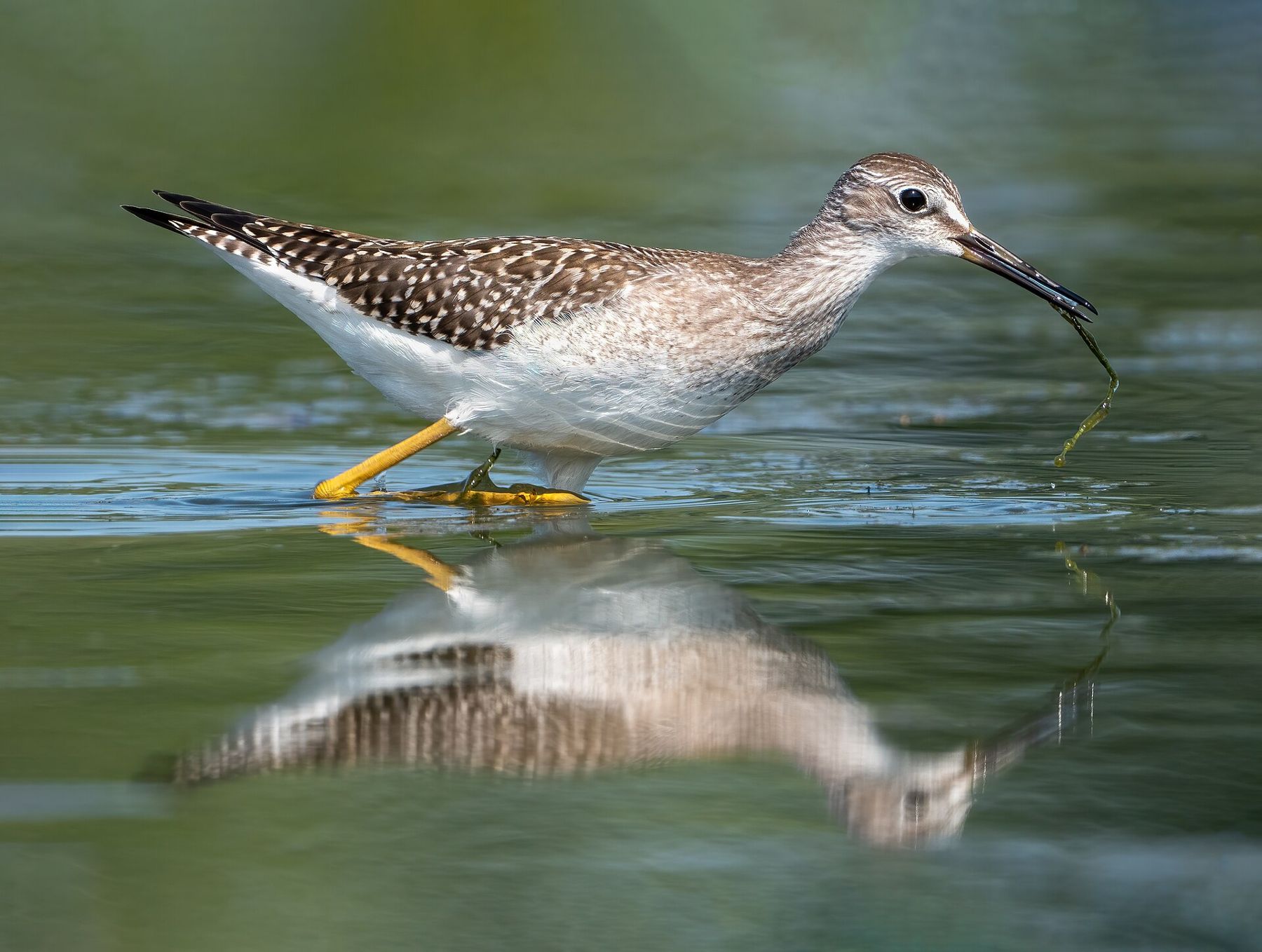
- Lesser and greater yellowlegs. Tall, elegant waders with bright yellow legs. The greater has a longer, slightly upturned bill and a louder call.
- Short-billed dowitcher. Stocky, with a very long straight bill worked up and down like a sewing machine.
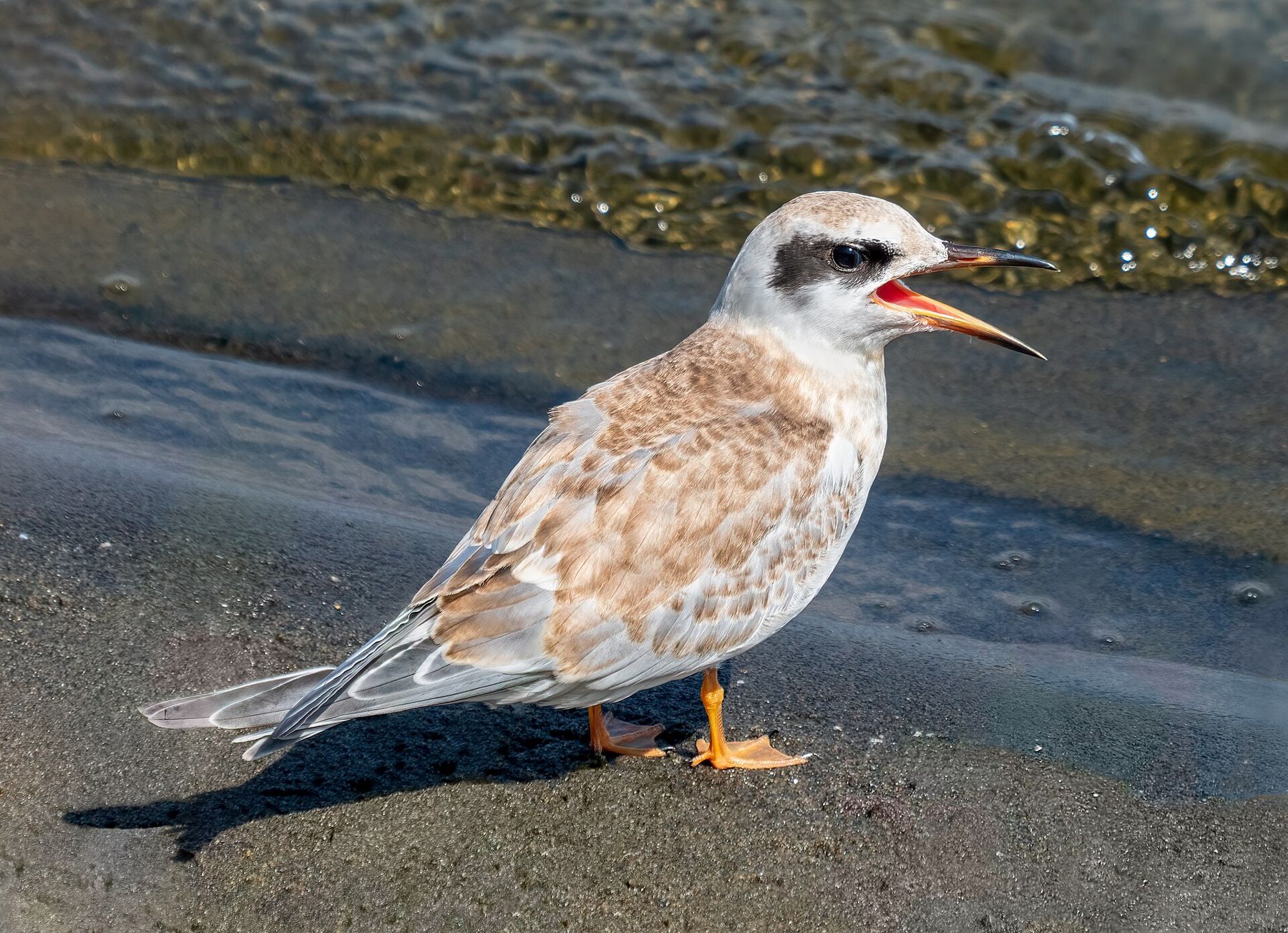
Mixed in with them, you may see black-bellied plovers, stilt sandpipers or a pectoral sandpiper, and in some years something much rarer. Egrets and glossy ibis feed on the same edges, and young terns rest on the mud between fishing trips.
i
A spotting scope helps a great deal on wide flats; binoculars alone will do on the narrower pond edges.
Horseshoe crabs, a season earlier
If you know the bay only in August, come back in late spring. In May and June, horseshoe crabs come ashore on bay beaches to spawn, most heavily on the high tides around new and full moons, and often in the evening. Their eggs are an important food for shorebirds moving north at that time of year. If you find a crab stranded on its back, you can turn it gently by the edge of the shell; never lift it by the tail. Stay off beaches that are signed or fenced for wildlife.
Boots, ticks and patience
East Pond mud is deep, sticky and smells of the marsh. Wear boots you do not mind ruining, or old shoes that will stay on your feet; sandals come off and are lost. Bring a towel and a bag for the trip home.
Ticks are common in the grass along the pond trails. Long trousers tucked into socks help, and a careful check afterwards is a habit worth keeping. Mosquitoes can be bad on still days, and the sun on open mud is strong, with little shade.
i
Above all, keep your distance. A flock of feeding shorebirds that is flushed has to burn energy it cannot spare on a long migration. Stop when birds start to walk away from you, use the scope, and let them come closer on their own. The birding year in the five boroughs shows what follows in autumn, once the sandpipers have moved on and the hawks start coming through.