i
Queens · Broad Channel
A first walk round West Pond, step by step
- Range
- Broad Channel
- Habitat
- Brackish pond
- Salt marsh
- Open bay shore
- Shrubby dunes
- Field marks
- Wide sky, a gravel loop between still pond water and the bay, jets overhead, egrets in the shallows, terns diving offshore in summer.
- Best season
- April to June, September
- Transit
- A train (Rockaway branch) to Broad Channel, then walk
- From Midtown
- A train to Broad Channel, then walk
- Pack
- Binoculars, water, hat, repellent, closed shoes
The first surprise at Jamaica Bay is how quickly the city falls away. You leave a subway car on an elevated platform in the middle of the bay, walk a short stretch of Cross Bay Boulevard, and within a quarter of an hour you are standing on a gravel path with water on both sides and a great egret working the shallows a stone's throw off. The second surprise is the planes. Jets climb out of the airport across the bay every few minutes, and the birds have long since stopped caring. You will too, after the first lap.
The refuge belongs to Gateway National Recreation Area and is run by the National Park Service. It covers a large spread of marsh islands, open water and upland scrub, but almost everyone starts in the same place: the visitor center at Broad Channel, and the loop around West Pond that begins behind it.
From the platform to the pond
Take the A train on its Rockaway branch, the one that crosses the bay on a long trestle, and get off at Broad Channel. Some trips need a change to the shuttle, depending on the time and direction, so look at the destination before you board. From the station you walk north along the boulevard to the visitor center on the west side of the road. It is a level, unremarkable walk past houses, and it takes most people well under half an hour.
The visitor center is the place to ask what is open. Trails here are reshaped by storms, restoration work and nesting seasons, and the staff will know which stretches are closed, where the water stands high and whether there has been anything unusual on the pond. Hours change with the season and with staffing, so check before you set out rather than trusting an old note.
i

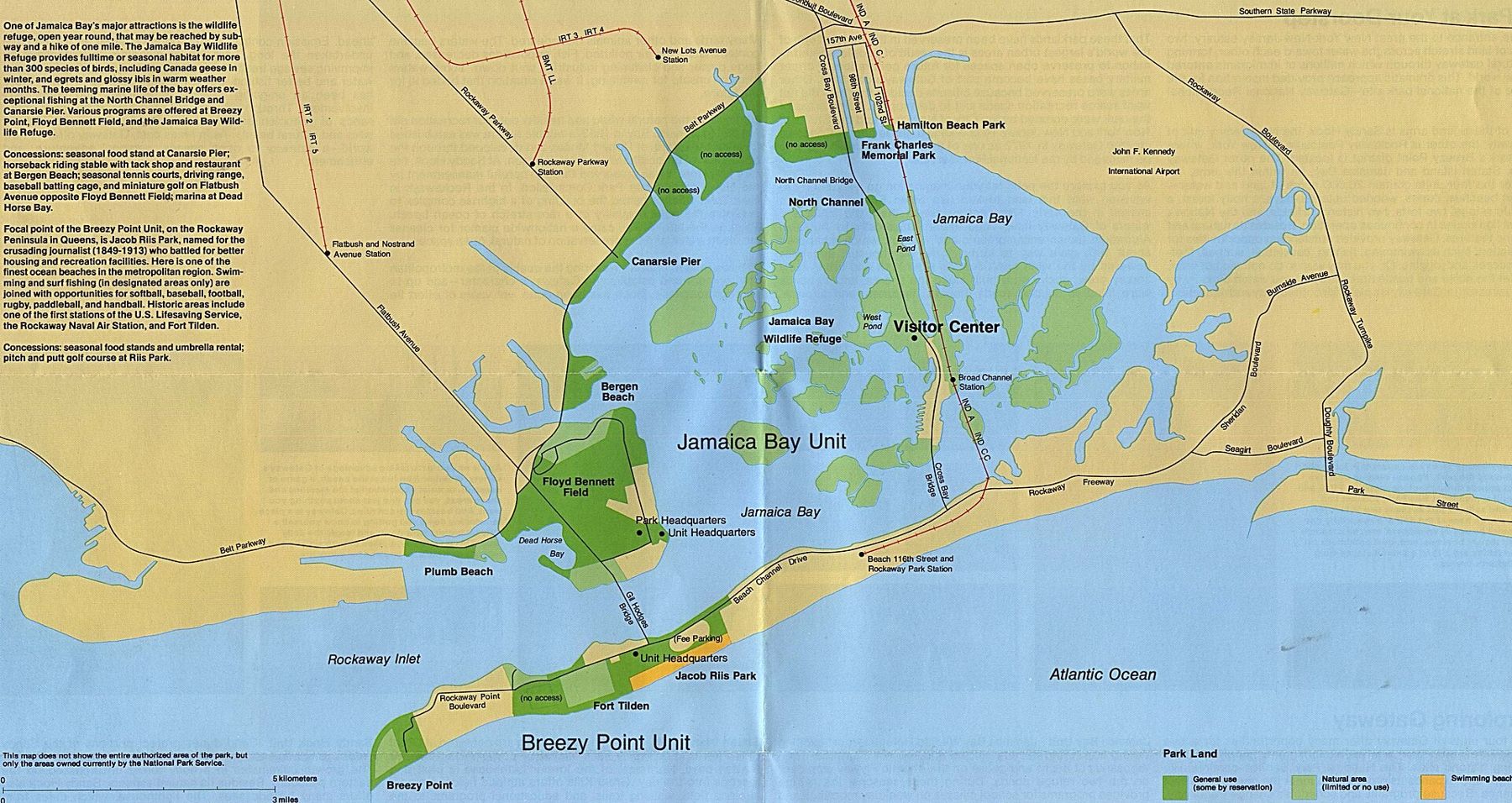
An old park map like the one above is still a decent way to understand the place. The refuge sits in the middle of the bay, split by Cross Bay Boulevard and the subway line. West Pond lies on the bay side, to the west; East Pond lies across the road. The loop described here stays entirely on the West Pond side.
Walking the loop, one stretch at a time
The West Pond trail is a loop of roughly a mile and a half to two miles, depending on where you start counting and which spur paths you take. It is flat and mostly gravel, with almost no shade. Allow at least an hour; birders who stop at every gap in the shrubs take two or three.
- The garden paths. Behind the visitor center the trail runs through planted beds and scrub. In late spring and early autumn this is where you meet small songbirds: yellow warblers, catbirds, the odd migrant feeding low in the bayberry.
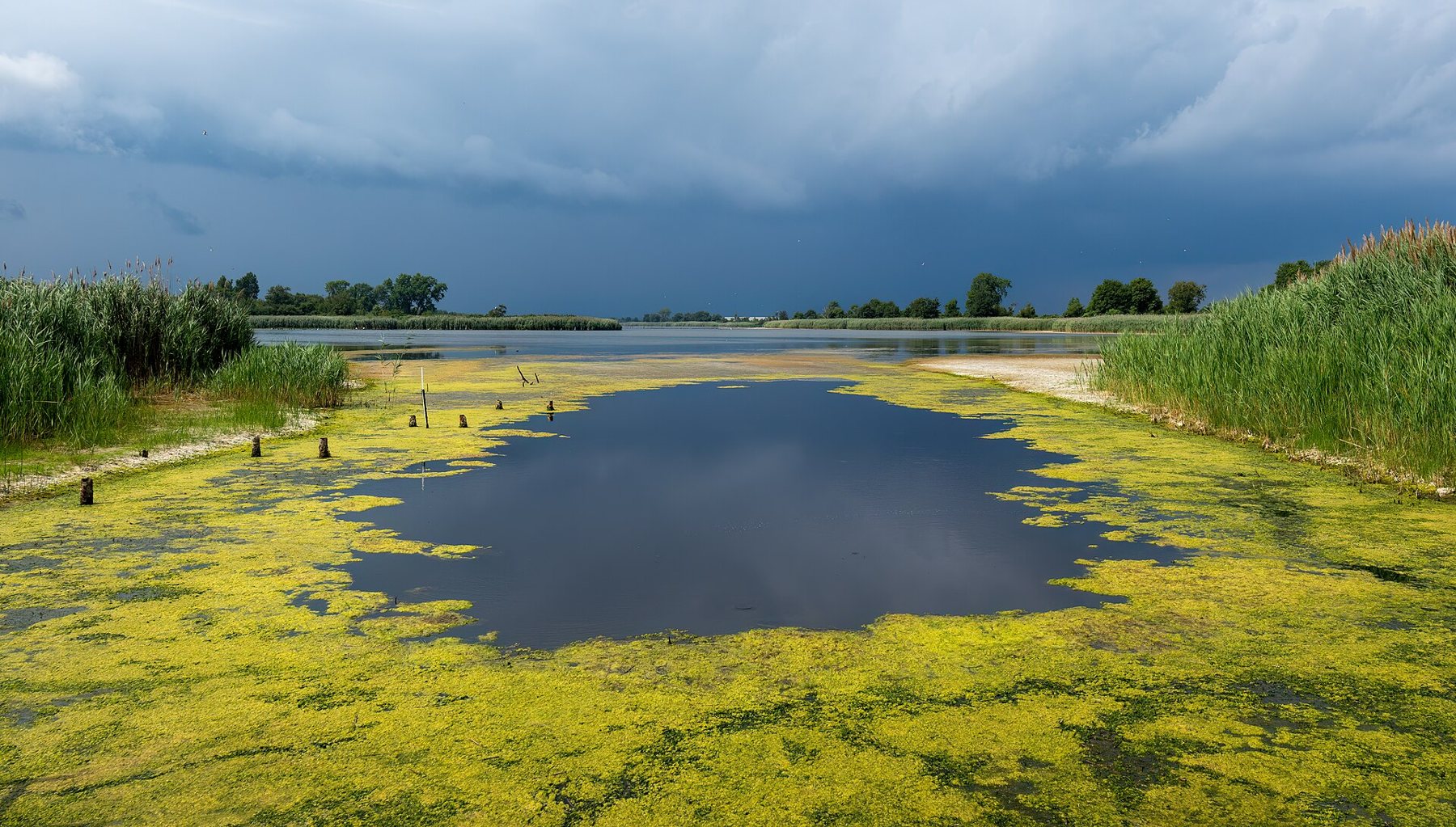
- The first view of the pond. The shrubs open and West Pond spreads out on your right, flat and bright. Scan the far edges first, where the birds feel safest, then work back towards you.
- The bay side. On your left the open water of Jamaica Bay runs out to marsh islands and the Brooklyn shore. At low tide mud and marsh edge show along this stretch, and herons and gulls spread out across it.
- The southern end. Here the loop bends round the end of the pond. In summer, watch the air over the water for terns.
- The return leg. The last section brings you back through scrub to the visitor center. Take it slowly: the shrubs here often hold more birds than the open pond.
When Hurricane Sandy struck in 2012, the storm surge broke through the narrow strip of land between West Pond and the bay. Salt water poured in, and for several years the loop could not be walked as a circle. The breach was later repaired and the trail reopened, but the pond is still a managed, changing place. Expect fresh plantings, fencing round restoration areas, and the occasional closed section after storms.
Compare plate IIShorebird season on Jamaica Bay: what to look for in AugustWho is on the water, and when
No walk here comes with a guarantee. Birds move with tides, weather and the season, and some days the pond is nearly empty. That said, the regular cast is generous.
From spring into autumn, great egrets and snowy egrets wade the shallows. The great egret is the larger of the two, with a yellow bill and black feet; the snowy egret is smaller, with a black bill and bright yellow feet. Glossy ibis, dark birds with long curved bills, probe the edges in small groups. Ospreys nest on platforms around the bay and fish the pond and channels from spring to early autumn; if you want to know more about where they nest, read about ospreys elsewhere in the bay.
i
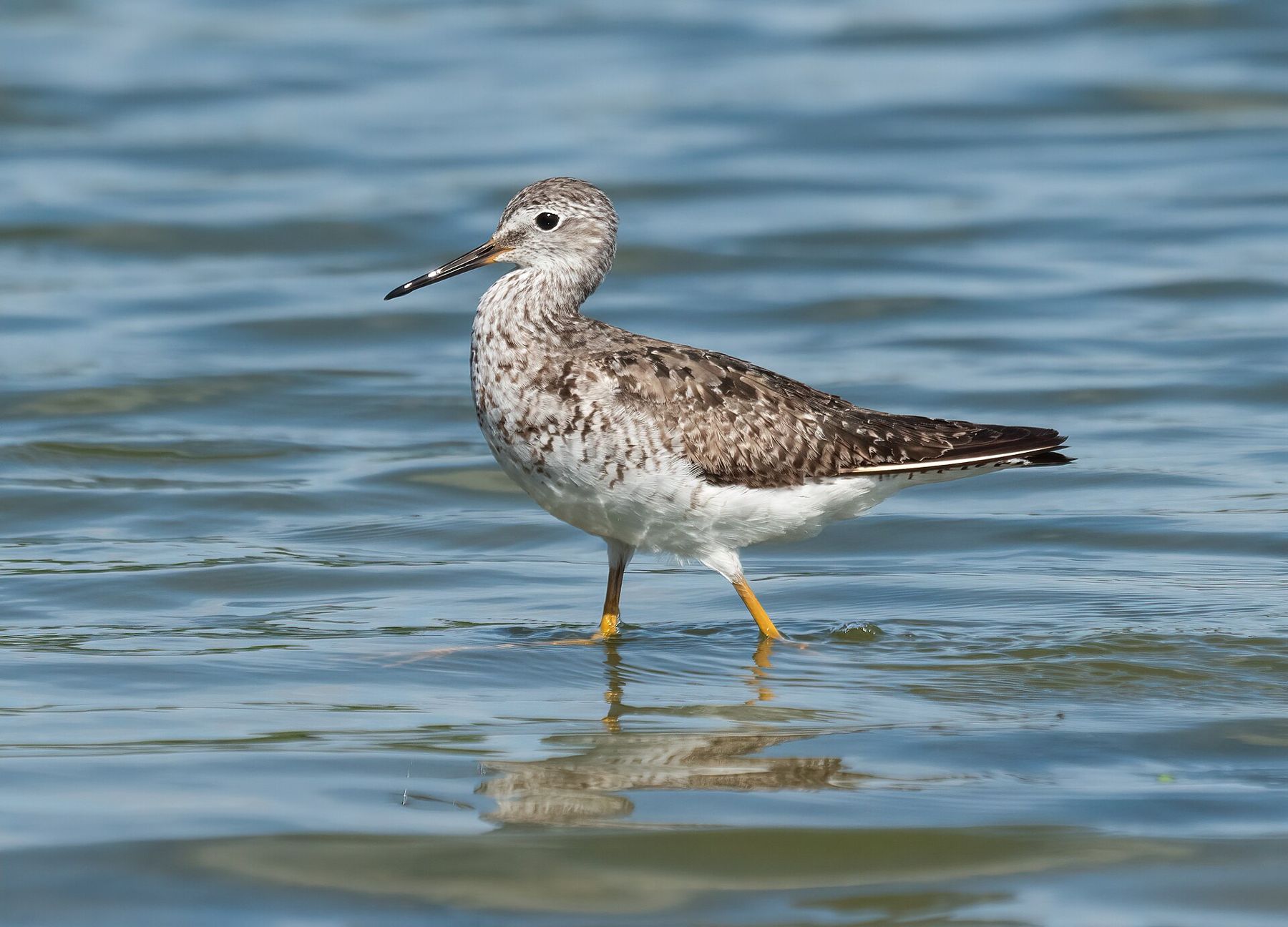
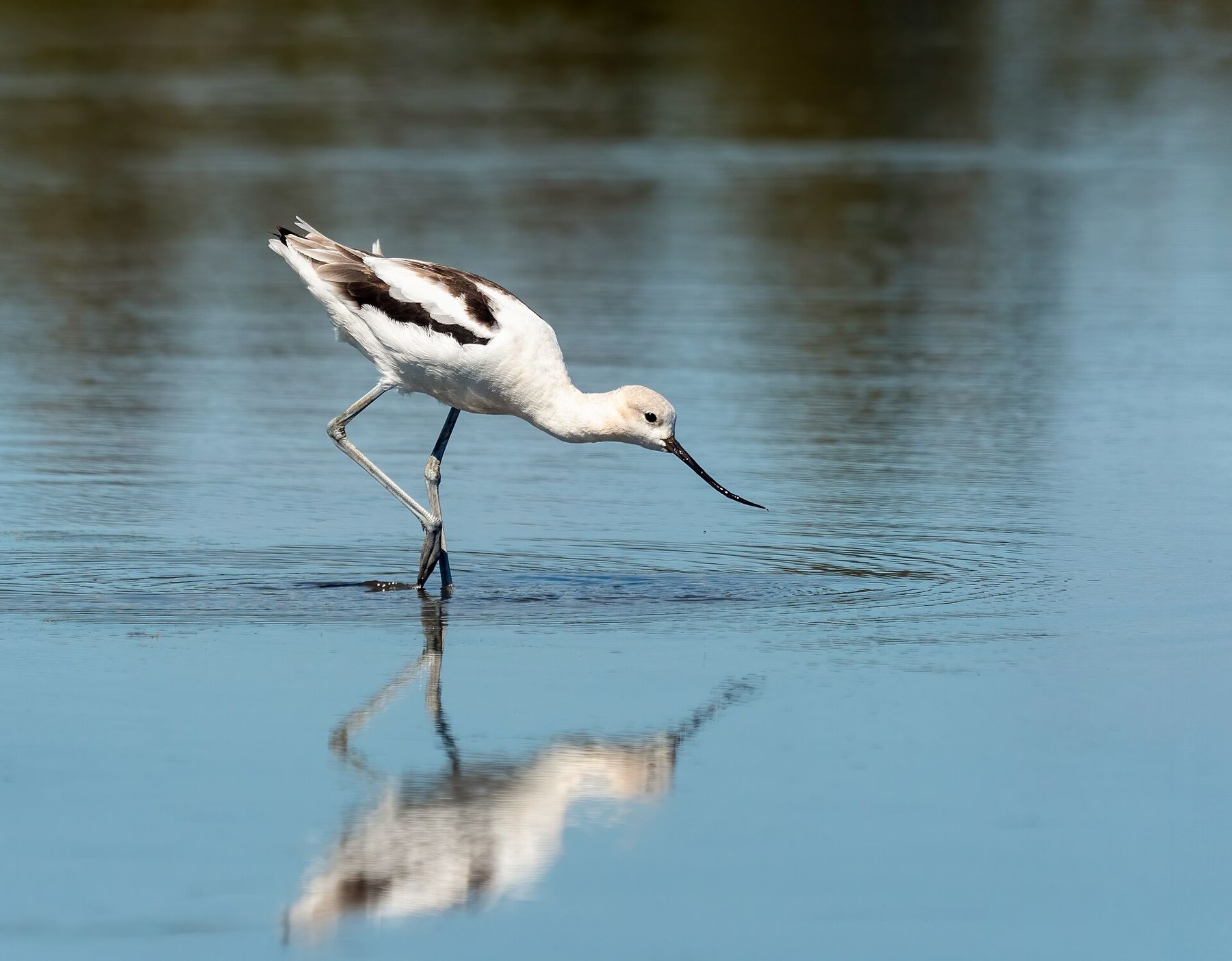
In summer, common terns and other terns patrol over the water, hovering and dropping head-first for small fish. Lesser yellowlegs, a slim sandpiper with long yellow legs, turns up on the shallow edges from midsummer, along with other shorebirds heading south. Late in the season, if water levels allow, a rarity such as an American avocet occasionally drops in. In winter the pond and bay hold ducks, geese and brant, and the walk is colder, quieter and often better for it.
i
The insects deserve a mention too. On warm days butterflies work the flowering plants along the trail edges: common buckeyes, with their large eye spots, are one of the easier ones to name.
i
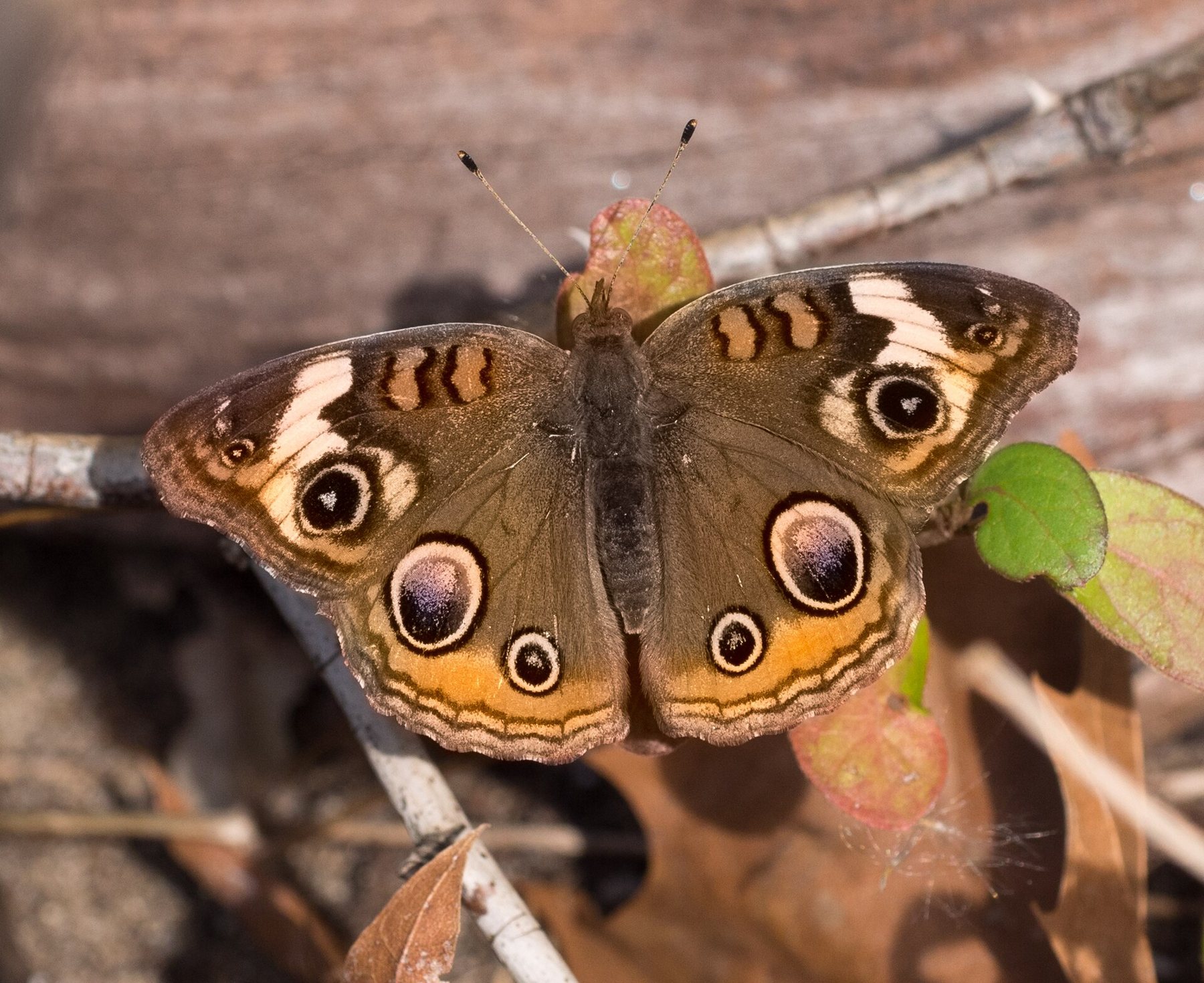
The month-by-month picture across the five boroughs is set out in the birding year in the city, which is a good place to decide when to come back.
Sun, gnats and the rest of the bill
West Pond is exposed. There is almost no shade on the loop, and the light off the water is strong, so a hat and sunscreen matter more than people expect. Bring water: there may be a fountain at the visitor center, but nothing on the trail itself.
From late spring into early autumn the marsh breeds biting insects. Mosquitoes and tiny gnats can be fierce on still, humid evenings, and greenhead flies sometimes join them in high summer. Repellent and long sleeves make the difference between a pleasant hour and a short one. Ticks live in the grass and shrubs along the edges; stay on the trail, and check yourself afterwards. Poison ivy grows freely in the scrub.
In early summer, female diamondback terrapins come ashore to dig nests in sandy ground, sometimes right beside the path. If you meet one, stand back and let her finish. Keep to the trail everywhere, and keep well clear of any fenced or signed nesting area.
- Leave dogs, bicycles and food for wildlife at home; the visitor center can tell you the current rules.
- Carry out everything you bring in.
- Do not play recorded calls to draw birds out.
Reading the tide before you leave home
West Pond itself is not tidal in the ordinary way, but the bay beside it is, and the birds move with it. A falling tide uncovers mud along the bay side of the loop and in the channels, and feeding birds spread out across it. A high tide pushes some of them into the pond to rest. Many regulars try to time a walk to start an hour or two before high tide, so that birds are being pushed closer as they go.
If you have never read a tide table, the short guide to tide tables for the city's marshes explains what the columns mean and why a few hours either way can change a visit completely.
A falling tide uncovers mud along the bay side of the loop and in the channels, and feeding birds spread out across it.
When you finish the loop, sit on a bench by the visitor center for ten minutes before heading back to the station. The pond settles once people stop moving, and the birds you missed on the way round often walk back into view.