i
Staten Island · Staten Island
Ferry, bus and High Rock: a day without a car
- Range
- Staten Island
- Habitat
- Harbor waters
- Upland oak woods
- Small ponds and swamps
- Field marks
- A crowded ferry deck with harbor gulls alongside, then quiet oak woods, small ponds and blue and red paint blazes on the trees.
- Best season
- April, May, September, October
- Transit
- Staten Island Ferry to St. George, then bus
- From Midtown
- Free ferry from Whitehall, then a bus
- Pack
- Transit card, water, map, layers, sturdy shoes
Few nature walks in New York begin on a boat. This one does. The ride to Staten Island costs nothing, takes less than half an hour and gives you the harbor from the water. A bus then carries you up into the hills in the middle of the island, and within an hour or so of leaving lower Manhattan you can be standing in oak woods beside a pond, with no traffic in earshot.
Whitehall to St. George across open water
The Staten Island Ferry leaves from Whitehall Terminal at the southern tip of Manhattan, close to several subway stations. It is free, and the crossing to St. George takes about 25 minutes. Boats run around the clock, often but not on a fixed interval through the day, so check the current schedule rather than relying on an old one.
Sit or stand on the starboard side, the right as you face forward, on the way out and you pass close to the Statue of Liberty. Governors Island slides by on the other side, and behind you the towers of lower Manhattan fall back across the water. The harbor is worth watching for wildlife too. Gulls follow the boats much of the year: herring and great black-backed gulls are the big ones, and in winter you may pick out smaller ring-billed gulls among them. Double-crested cormorants fly low over the water in long lines, and in the colder months small rafts of ducks bob in the calmer stretches.
The ferry is busy at rush hour and on summer weekends. A mid-morning boat on a weekday is calmer and leaves you plenty of daylight.
i
Finding the right bus at the terminal
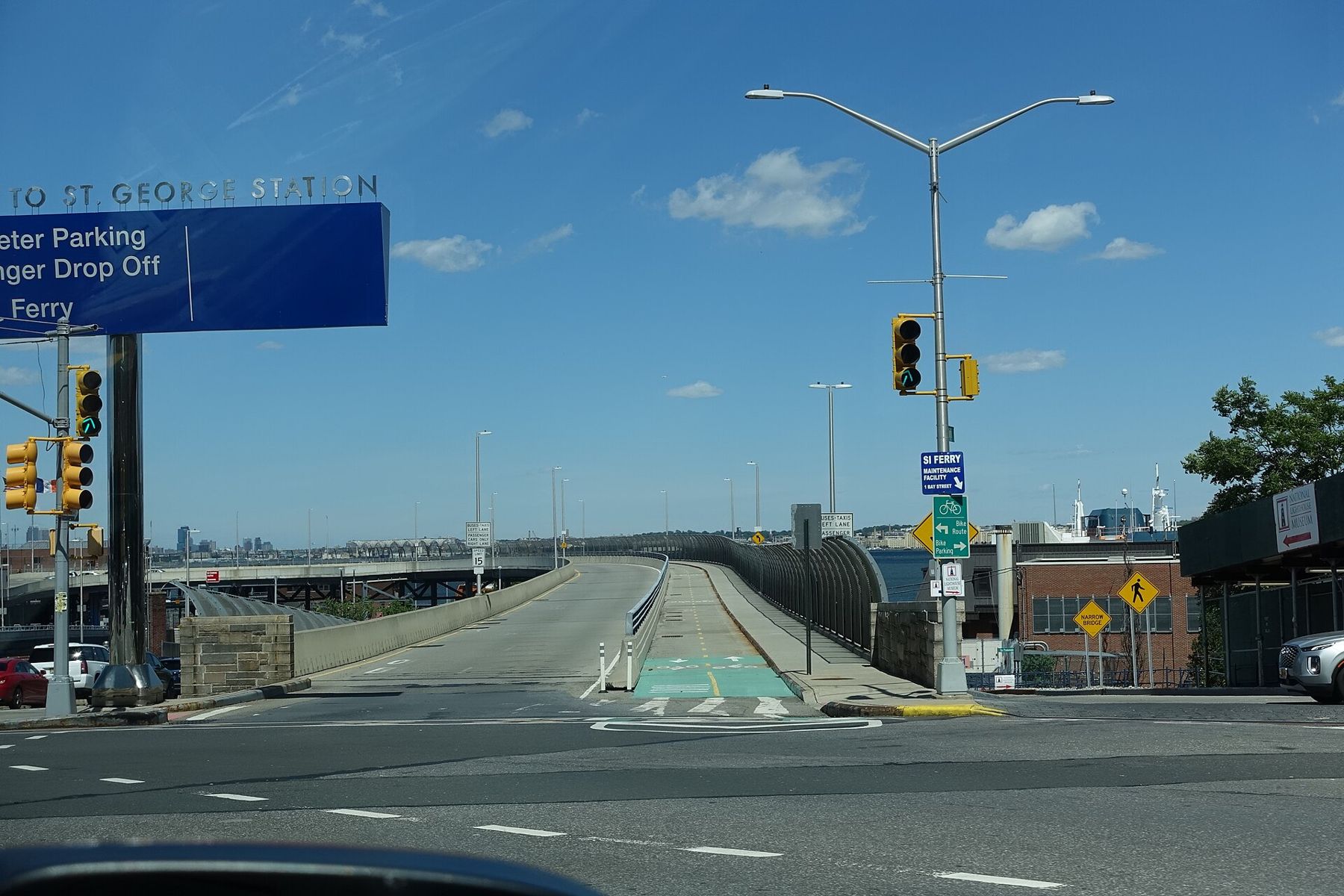
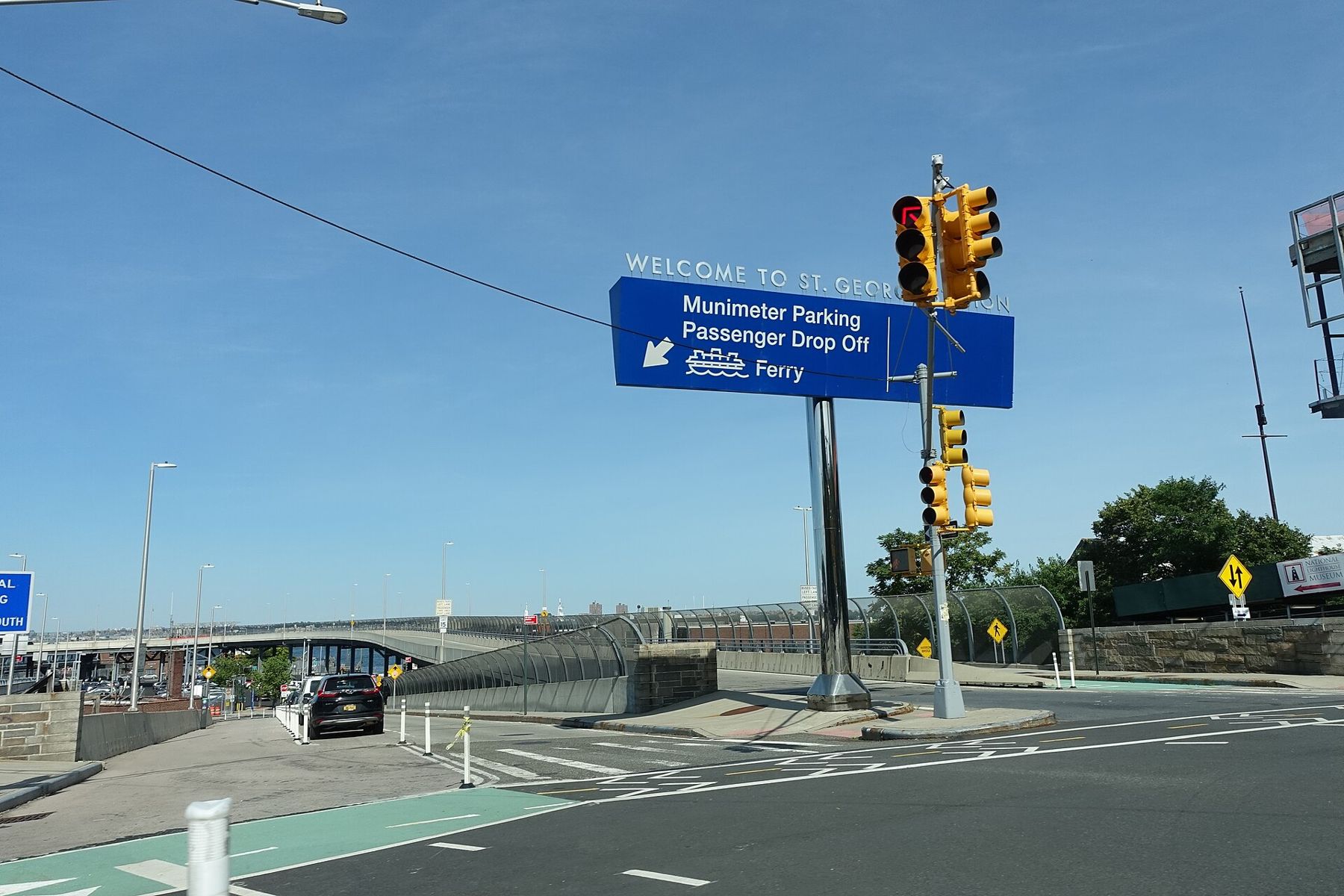
St. George is the island's main transit hub. Many bus routes leave from the ramps at the terminal, and the Staten Island Railway starts here too. Several routes run inland toward the center of the island and the edges of the Greenbelt, the long chain of parks that includes High Rock. Which one suits you depends on where you want to start walking, and routes and stop names change, so look at a current bus map or trip planner before you travel and note the stop you need.
Pay with the same card or contactless method you use on the subway. Ask the driver to call your stop if you are unsure; the roads up the hill wind, and stops can be easy to miss. The last part of the trip is often on foot, up residential streets to a park entrance. Allow time for this, and for the climb, since High Rock lives up to its name.
Compare plate IXThe blue trail over Moses MountainA few hours at High Rock
High Rock Park is a small piece of the Staten Island Greenbelt, but a varied one, with mature oak and beech woods, several ponds and wooded swamps in old glacial hollows, and marked trails that link with the rest of the Greenbelt. It is a sensible destination for a car-free day because you can walk a satisfying loop of a couple of hours and still have time to get back to the ferry.
Follow the painted blazes on the trees, each trail with its own color. In spring the ponds fill with the calls of spring peepers, and in late April and May the canopy carries migrant warblers and vireos. Summer is green and humid, with dragonflies over the water. If you have the energy for a longer outing, the blue trail continues past High Rock to the top of Moses Mountain, a hill of blasted rock with a view over the trees, described in the blue trail over Moses Mountain.
Please stay on the marked paths. Pond edges are fragile, and the woods hold deer ticks from spring into autumn. Long trousers, repellent and a tick check at home are the routine here.
Timing the day around the light
The day works best with a little planning backward from sunset. The trails at High Rock are unlit, and under a full canopy the woods go dim well before the sky does. Buses on the island run less often in the evening, and it is easy to wait longer than you expect.
| Stage | Rough time to allow |
|---|---|
| Subway to Whitehall and wait for a boat | 30 to 60 minutes |
| Ferry crossing | About 25 minutes |
| Bus from St. George and walk to the trails | 45 to 75 minutes |
| Walking at High Rock | 2 to 3 hours |
| Return by bus and ferry | About 1.5 to 2 hours |
Those figures are only a guide, and in winter the light runs out by late afternoon. A simple rule: leave the woods with at least an hour of daylight left. If you miss your stop or a bus does not come, you will still be on a lit street with time to sort it out.
Back across the harbor
The return crossing is the reward. Late in the day the light falls across the harbor from the west, and on an evening boat the Manhattan skyline comes up out of the water ahead of you. Stand at the front if the doors are open, and watch for gulls and cormorants heading to their evening roosts.
Pack for a day that changes temperature. The harbor can be windy and cold on the deck even in spring, while the woods are sheltered and warm. Bring water and food, as you will find nothing to buy once you are on the trails, and check park notices for closures before you set out, since sections of trail are sometimes shut for storm damage or restoration. If you liked the ride and want another island preserve, flatter and sandier, look at Clay Pit Ponds near the southwest shore.